


Condensation Mold
It is the mould caused by the condensation of water vapour which, in contact with cold surfaces, tends to settle returning to a liquid state, causing the phenomenon of
mold.
This phenomenon can occur in cold areas, so-called thermal bridges or areas with poor thermal insulation.
Some examples:
- North-facing walls
- Floors and ceilings
- Poorly insulated door and window surrounds
- Rooms without heating
- Areas that are not sufficiently ventilated and have high humidity such as kitchens, bathrooms, and bedrooms.
Furthermore, mold finds nourishment in organic substances such as cellulose, so we may also find it inside closets, on clothes, newspapers, etc.
The main effects of condensation humidity are:
Colonies of plant microorganisms, molds, and bacteria, which are particularly harmful to human health.
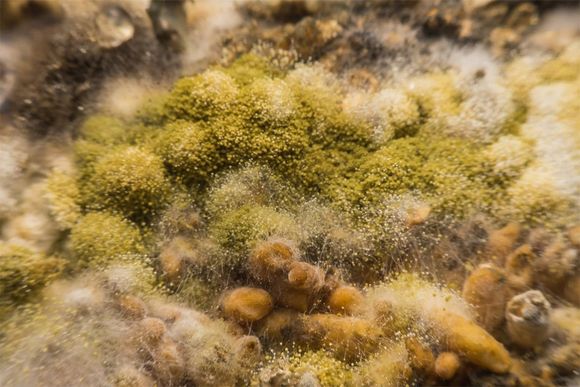
How does mold form on the walls of your house?
Molds are a type of multicellular fungus, and they reproduce through spores that settle on surfaces in the home, and multiply when they find ideal conditions, such as a high rate of humidity above 55%.
Small dots will then begin to appear, which will later turn into real dark spots.
The formation of mold is favored by humid environments or where there are conditions for the formation of surface condensation.
The phenomenon of surface condensation can occur in two particular cases: either due to excess humidity in an environment, or due to a surface temperature that is too low.
How does surface condensation form?
Simply put, surface condensation occurs when the humidity in the environment exceeds a certain level. critical threshold, or when the surface temperature drops below a certain level.
To understand this concept, let's consider two very common situations: the condensation that forms on glass and tiles when we shower and the condensation on a cold bottle taken from the refrigerator.
In the first case, by taking a shower, we have excessively loaded the air with humidity, giving rise to the phenomenon of condensation even on surfaces with very high temperatures, that is, above 20 degrees.
In the second case, however, despite the normal humidity level in the environment, condensation occurs on the surface of the bottle. This is because the temperature of the bottle is below the critical condensation point of the air, which, touching the surface, instantly releases its moisture load.
What damage does mold cause in your home?house?
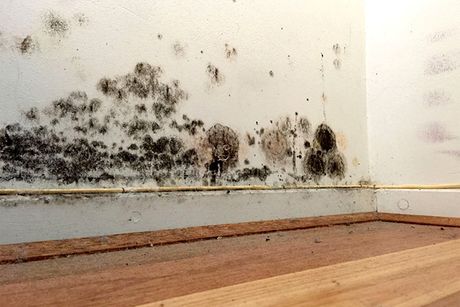
AESTHETIC DAMAGE
Damp stains and rings, mold, flaking plaster, peeling paint, salt efflorescence, damaged wooden furniture and structures, and in the worst cases, detachment of the plaster due to the pressure of the salts.
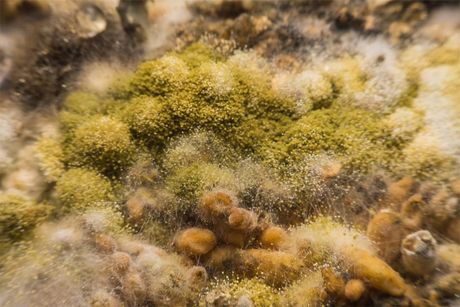
DAMAGE TO HEALTH
Health risks include: irritation of the eyes, skin and throat, allergic or immunological reactions such as rhinitis, eczema, rashes, colds, conjunctivitis, gastrointestinal disorders, joint pain and arthritis, neurological reactions such as migraines and headaches, dizziness, tiredness and depression, irritation of the respiratory tract which can become chronic, turning into bronchitis and asthma.

ECONOMIC DAMAGES
Continuous sanitization of mold-affected areas, restoration of paint, plaster, and wooden floors, damaged furniture, damaged upholstery, and removal of damp rooms.
All these things, in the long run, also cause damage from an economic point of view.
How to eliminate it?
Ventilation systems
They eliminate excess moisture
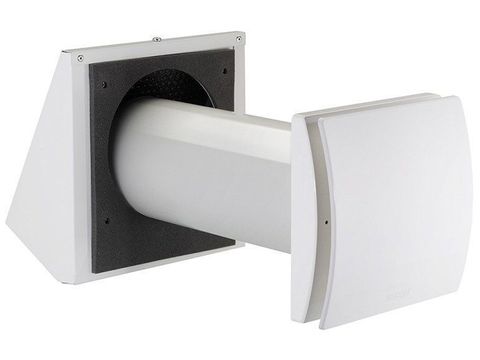
Humidity regulation technologies
The VMC controlled mechanical ventilation system, thanks to a series of integrated sensors, automatically carries out a constant analysis of the environment, optimizing and regulating the comfort of the environment in which it is installed.
It is ideal for kitchens, bathrooms with showers, basements, and any other space affected by excessive humidity in the air, which often leads to mold growth.
How does it work?
Controlled mechanical ventilation systems are used in all those environments where air exchange is poor or insufficient, and humidity, accumulating, condenses on colder surfaces, encouraging the onset of mold and spores that damage our property and are harmful to our health.
The extracted air passes through special ceramic discs which, as they heat up, accumulate heat and release it once the cold air is introduced into the room which, in this way, will be only a few degrees lower than the expelled air.
The system can be set to a specific humidity level and can operate either in supply/extraction with heat recovery, or in supply only or extraction only without heat recovery.
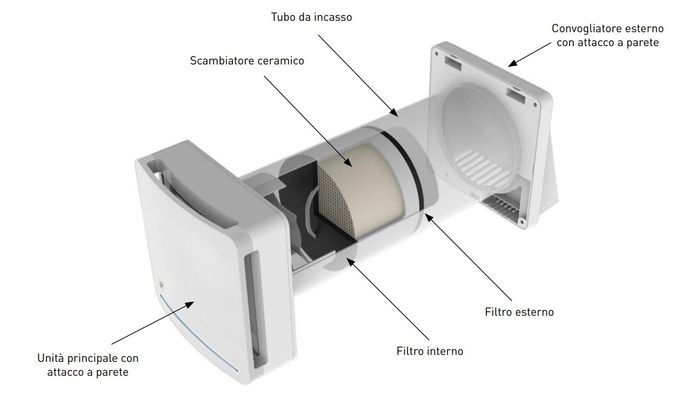
The ventilation phases
In supply/extraction mode with heat recovery
Stage 1: The sensors detect excessive humidity in the air.
Phase 2: The warm air is extracted from the room and, passing through the ceramic heat recovery unit, heats it.
Phase 3: Fresh outside air is introduced into the room and, passing through the ceramic heat recovery unit, heats up.
The fan alternates these phases until the optimal humidity value is obtained in the environment.
The system can be set to different levels, depending on the desired humidity level, starting to operate only when necessary, thus reducing costs to a minimum.
Thermal paints
They eliminate condensation humidity
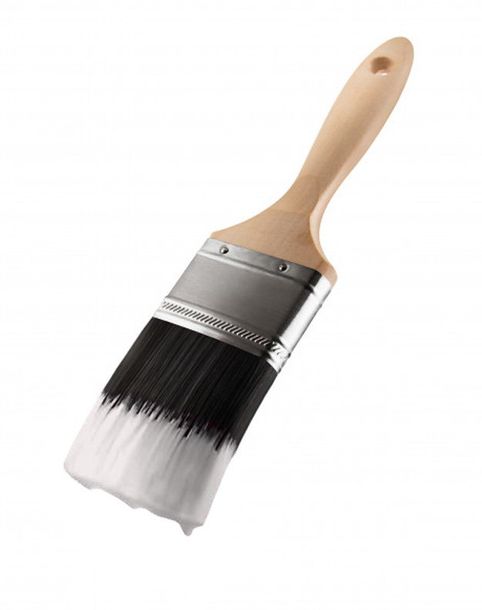
A barrier for your walls
Resolute
Its anti-condensation properties prevent mould from attaching, permanently eliminating the problem.
Insulating
Innovative
How does it work?
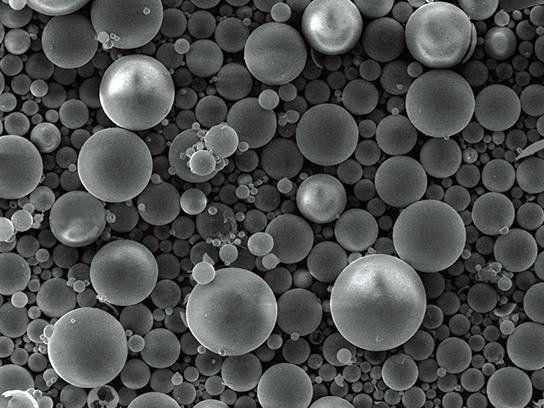
Thermal paints are special paints with high anti-condensation and anti-mold properties, loaded with hollow insulating spheres derived from nanotechnology, and are used in all those environments where there is excess humidity.
Indoors, their reflective properties prevent heat from being absorbed by the walls, reflecting it back into the room and evening out the temperature difference between floor and ceiling, thus making the area much more comfortable and with less heat waste.
On the outside, thanks to its high degree of light reflectivity, it dissipates most of the heat from the sun's rays, keeping the interior cooler with an improvement in the quality of life and savings on air conditioning costs.
Why choose them?
- Their anti-condensation power, thanks to the insulating microspheres, prevents humidity from condensing and turning into mold, which thus no longer finds a cold surface on which to settle.
- Their heat reflectivity offers several advantages. Indoors, it prevents heat loss through the walls and balances room temperatures, improving comfort and reducing the amount of energy needed for heating.
- Outdoors, their solar reflectivity, which is highest in the white version, reflects most of the heat as light, transmitting only a small portion to the structure. Furthermore, since all paints are waterproof but vapor-permeable, they prevent the walls from being wet by the elements and transferring this moisture inside.


