

Rising Damp
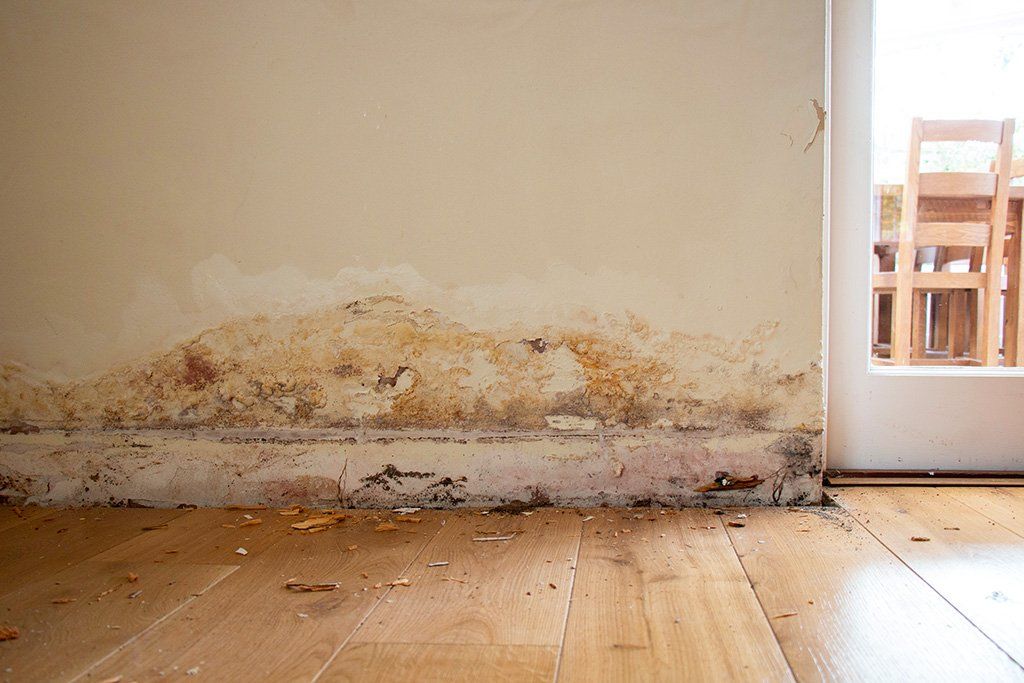
Rising damp, or capillary rising damp, is one of the most common forms of damp, and can affect both old and new buildings.
Until the first half of the 20th century, buildings were placed in direct contact with the ground, without any type of insulation between the ground and the foundations.
In the second half of the century, insulating barriers began to be used, in this way, the foundations were isolated from the water present in the ground.
Unfortunately, despite this innovation, rising damp can still occur even in recently built homes, often because the insulation system is damaged, ineffective, or missing.
Due to the capillarity of building materials, humidity rises from the foundations, the narrower the capillary, the more it will be able to rise, up to the walls of the structure, with a height that can vary from 50 to 200 cm, depending on the severity.
How does humidity form on the walls of your home?
Have you ever observed a sponge absorbing water? The same principle applies to various building materials. The diffusion of water within building materials is favored by a particular characteristic of each material, defined as "porosity."
Porosity indicates, in other words, the predisposition of a material to absorb water, which is able to move within it through a physical phenomenon known as “capillarity”.
The diameter of the capillaries plays an important role in the rise of the liquid: thinner capillaries will correspond to a greater rise and vice versa.
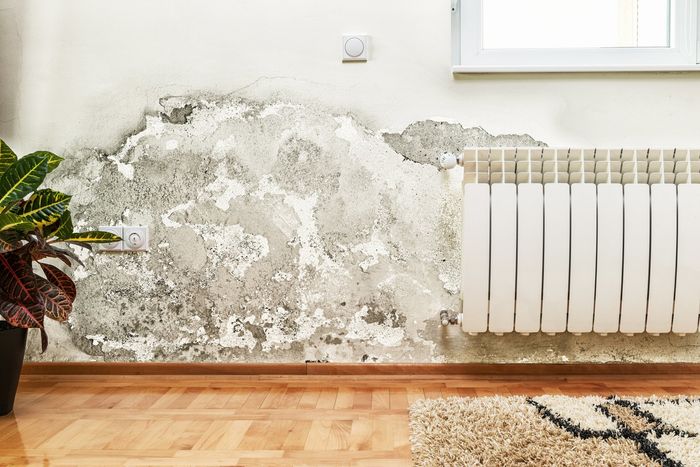
The effects of this phenomenon are the characteristic damp halos of variable height, from a few centimetres to several metres, with consequent degradation and damage to the plaster and walls themselves, both inside and out.
How does humidity on walls in the house work?
The salts carried by the water are deposited at different heights, the saline products remain incorporated into the pores of the material, crystallizing and causing significant internal pressures.
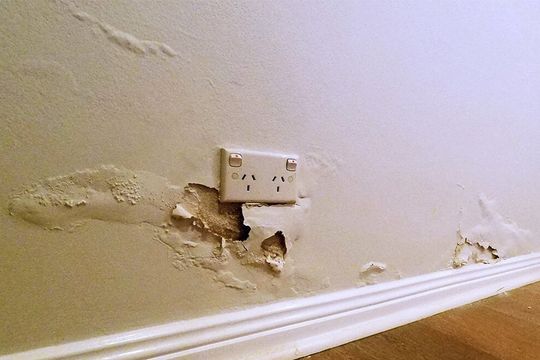
This results in corrosion of the brick surface, deterioration of the mortar joints, detachment of parts of the plaster and a reduction in the mechanical characteristics of the materials.
Due to its chemical nature, the water molecule constitutes a permanent electric dipole, and the salts it contains give it the ability to allow electric current to pass through it via ionic conduction. This property allows for the generation of a signal capable of blocking capillary action and dehumidifying the wall structure...
What damage does moisture cause to walls in the house?
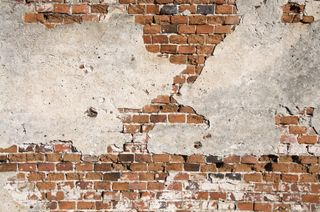
STRUCTURAL DAMAGE
The salts present in the soil and in the building materials dissolve in the water and rise, thanks to the capillary effect, to the surface.
As the water evaporates, the salt remains in the plaster. The salt, once crystallized, expands up to 12 times its volume, pushing against the plaster and the building material.
The plaster comes off and so does some of the wall material.
Over time, the structure deteriorates and becomes statically weakened.
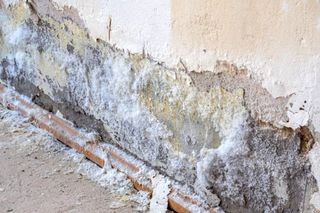
AESTHETIC DAMAGE
Damp stains and rings, mold, flaking plaster, peeling paint, salt efflorescence, damaged wooden furniture and structures, and in the worst cases, detachment of the plaster due to the pressure of the salts.
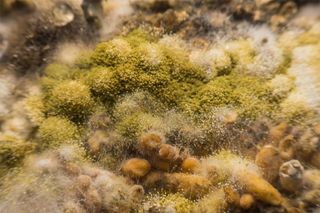
DAMAGE TO HEALTH
Health risks include: irritation of the eyes, skin and throat, allergic or immunological reactions such as rhinitis, eczema, rashes, colds, conjunctivitis, gastrointestinal disorders, joint pain and arthritis, neurological reactions such as migraines and headaches, dizziness, tiredness and depression, irritation of the respiratory tract which can become chronic, turning into bronchitis and asthma.

ECONOMIC DAMAGES
Excessive heating costs (due to cold walls causing evaporation).
Use of dehumidifiers (24/7). Continuous repairs to plaster, paint, wooden floors, damaged furniture, and upholstery. Avoidance of humid environments.
How to eliminate it?
Polar Dry
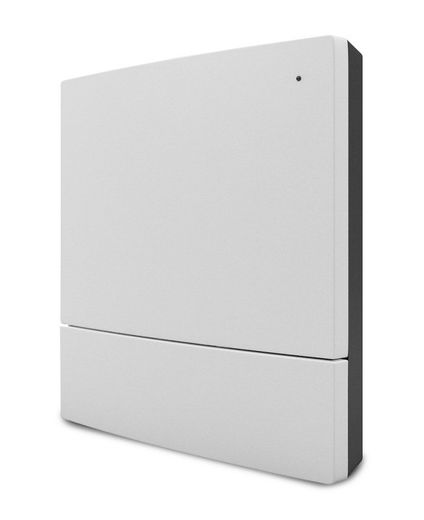
The technology that dries walls
PolarDry It is a highly technological system that, through the emission of a weak electromagnetic field, permanently eliminates excess humidity from walls, floors and structures in contact with the underlying ground, avoiding any masonry work.
How does it work?
Polar Dry It is used for the dehumidification and restoration of structures affected by capillary rising damp, regardless of the materials used for their construction.
The range of action varies from 10 to 20 meters depending on the model, and it uniformly dehumidifies all walls in contact with the ground, including floors and foundations, managing to cover a surface area of over 1200 square meters with a single appliance.
Polar Dry complies with European regulations regarding electrical and electromagnetic safety. With low power consumption, it operates only inside walls without creating detectable magnetic fields in the surrounding environment and, once installed, requires no maintenance.

The physical principle
Due to its chemical nature, the water molecule constitutes a permanent electric dipole and the salts, taken from the soil, give it the property of allowing an electric current to pass through it by ionic conduction.
Thanks to this chemical-physical property of water, it is possible to generate and stabilize a wireless signal capable of blocking the capillary action of rising damp in materials and consequently dehumidifying the walls and structural parts of the building.
The wireless signal comes into contact with the water molecules present in the building materials, and acts by inverting the polarity of the water molecules from a positive dipole, which tends to rise, to a neutral dipole that will tend to flow downward, towards the ground, thus definitively and permanently blocking the rising damp and dehumidifying the walls.
An example of rising damp remediation
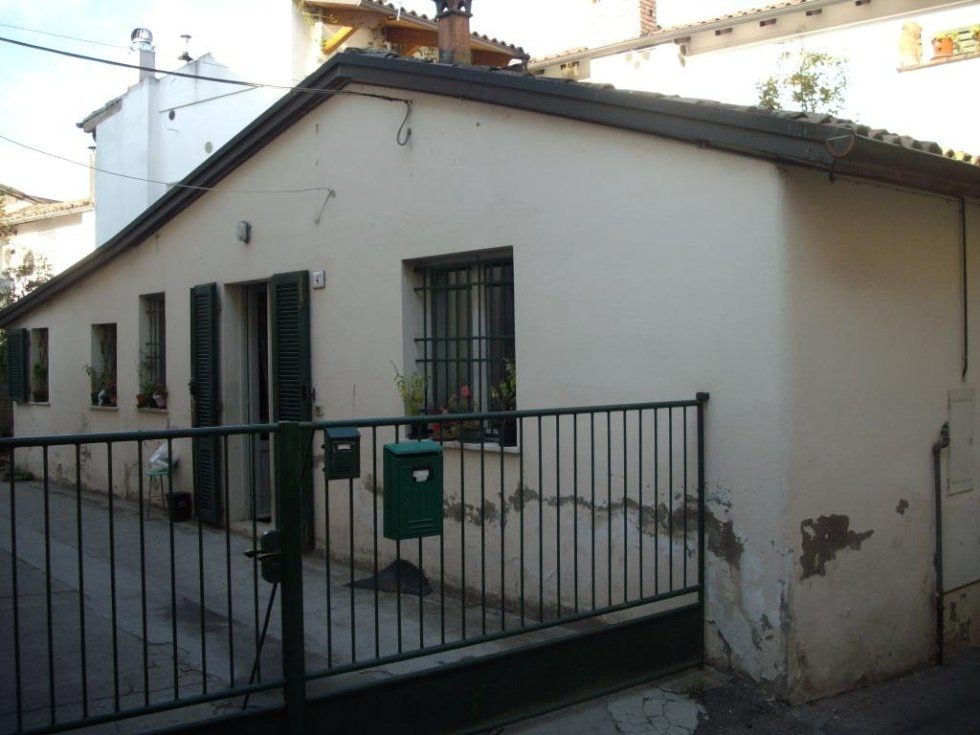
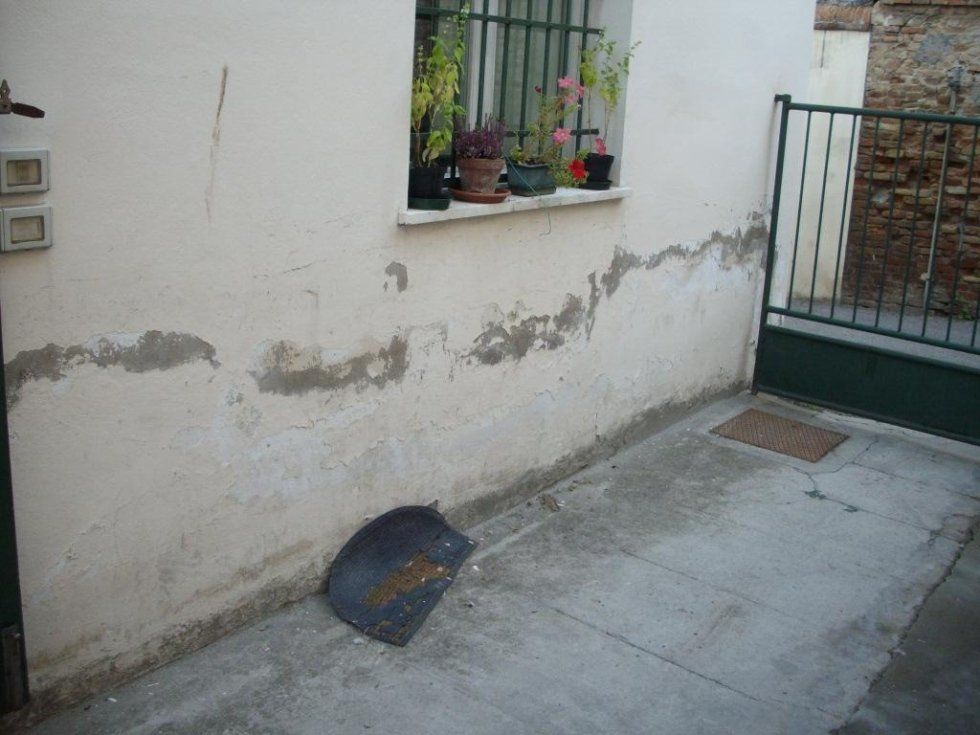
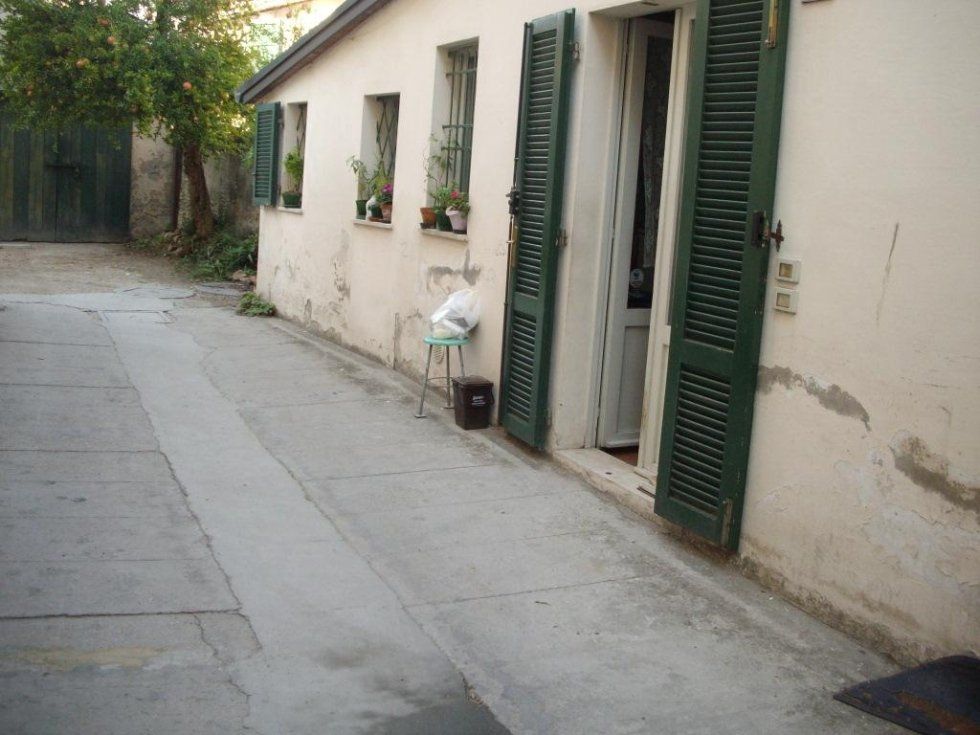
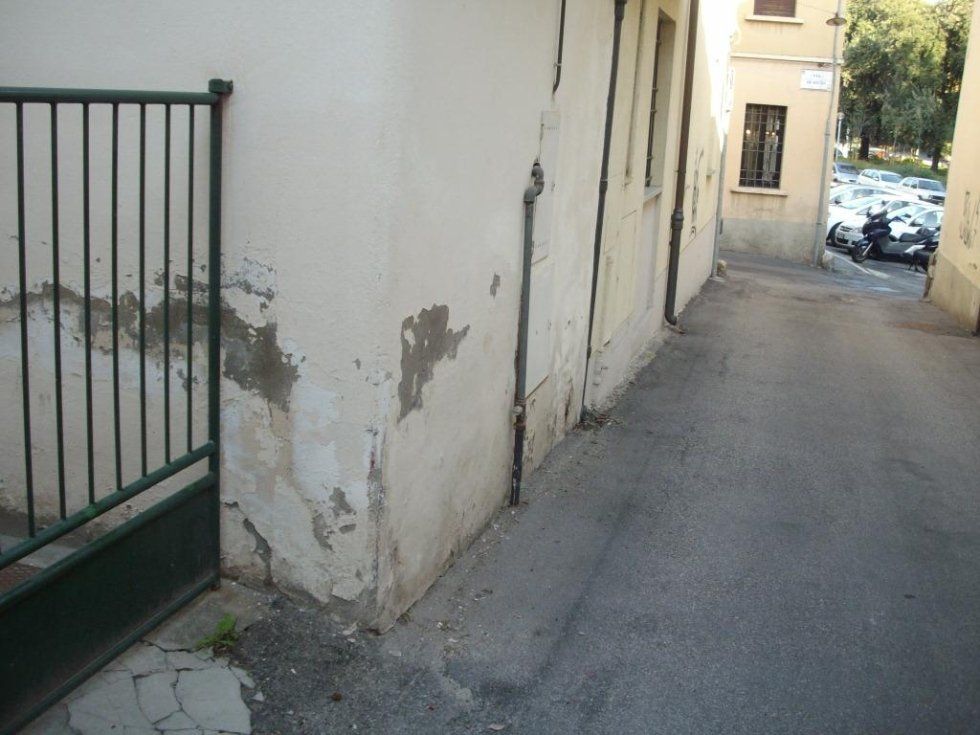
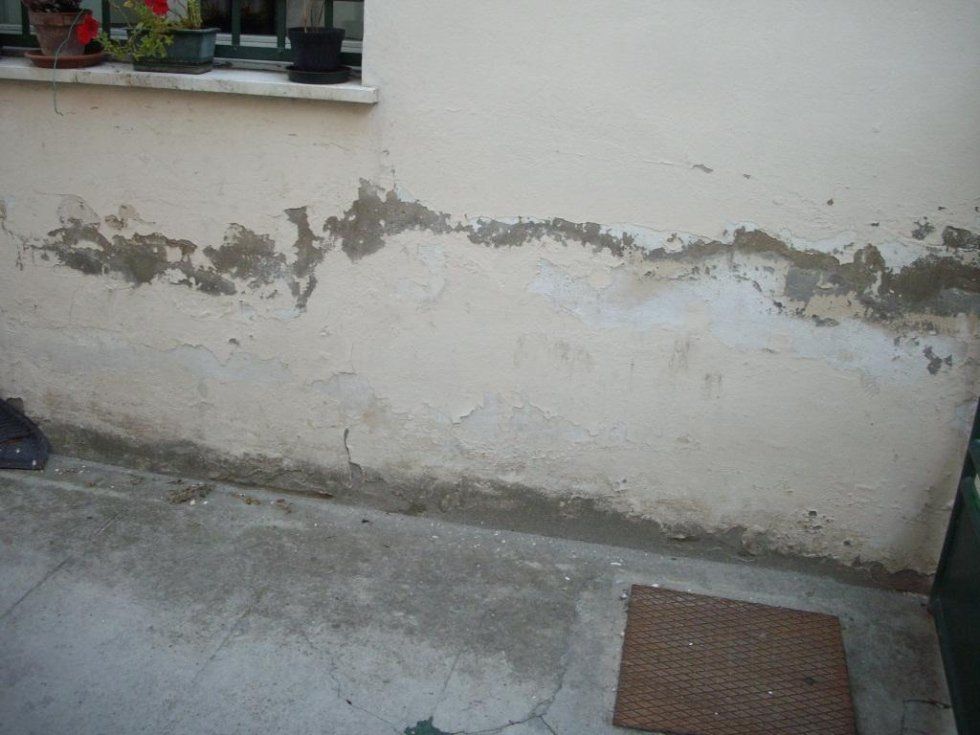
The first photos show the exterior of the building before the installation of an electrophysical wall dehumidifier. Signs of rising damp can be seen from the loose plaster.
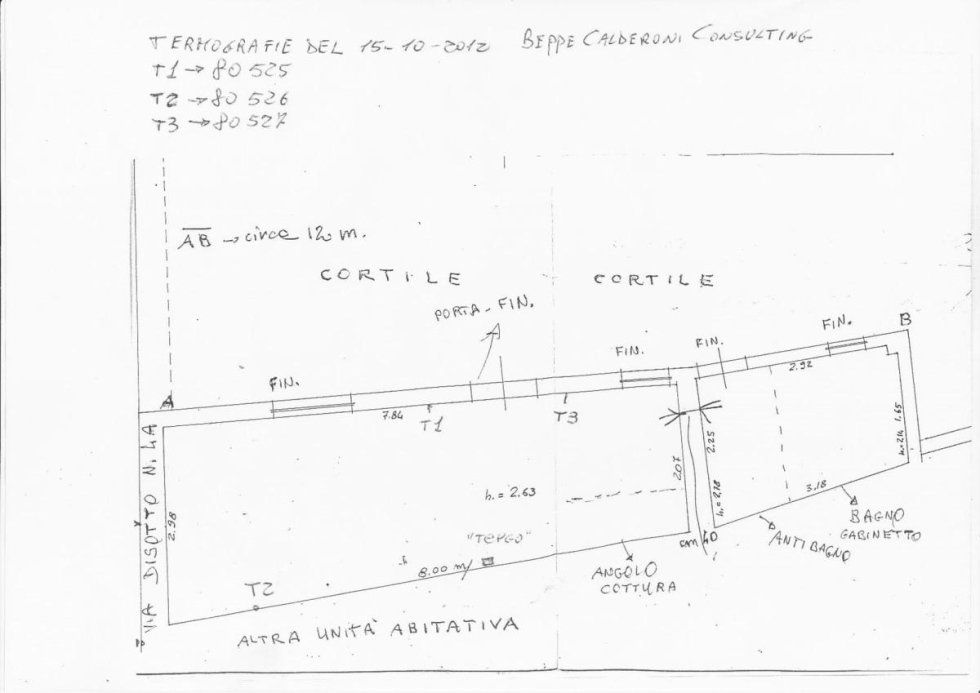
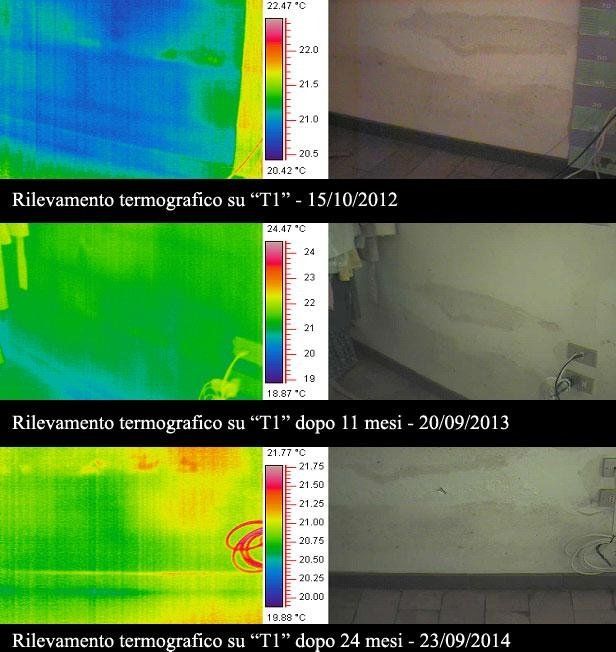
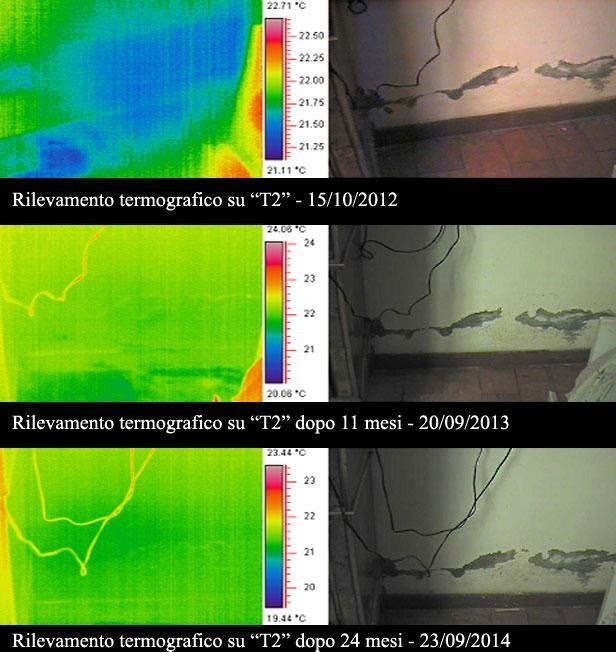
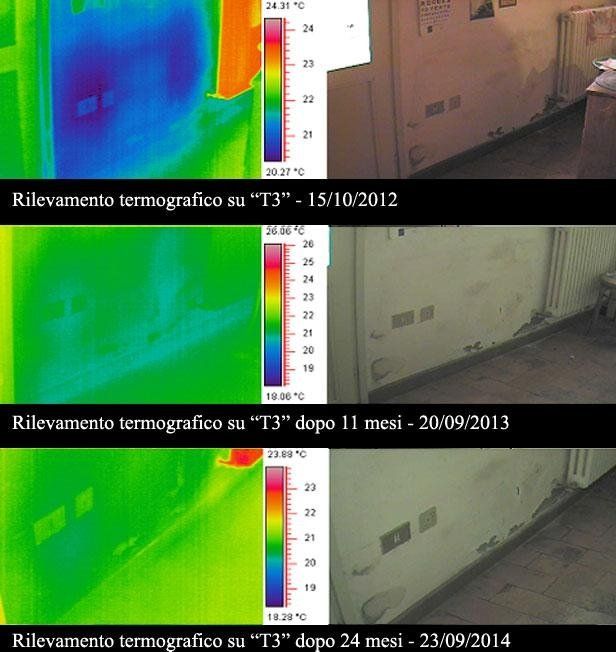
Below you will find the floor plan of the house with the points indicated - marked specifically as "T1", "T2" and "T3" - where the thermographic measurements were taken at the time of installation, after 11 months and after two years, in practically identical climatic conditions.
Finally, three photos show the difference in temperature of the walls following the remission of the rising damp phenomenon.